Between 2003 and 2010, a quiet revolution took place in Mediterranean cinema — not in the feature-length films that competed at Cannes or Venice, but in the short films that circulated through cultural programs, university screenings, and early internet platforms. These films — rarely longer than fifteen minutes, often made for less than the cost of a used car — became the laboratory where a new generation of filmmakers experimented with questions that mainstream cinema was too cautious or too commercial to ask.
The Short Film as Passport
The economics of short filmmaking enabled something unprecedented: a filmmaker in Algiers, a filmmaker in Barcelona, and a filmmaker in Istanbul could all participate in the same conversation, without requiring the institutional support — or the institutional compromises — that feature production demands. Programs like EuroMed Café’s “Another Look” created screening contexts where these films could be seen side by side, revealing shared concerns that national cinema cultures tended to obscure.
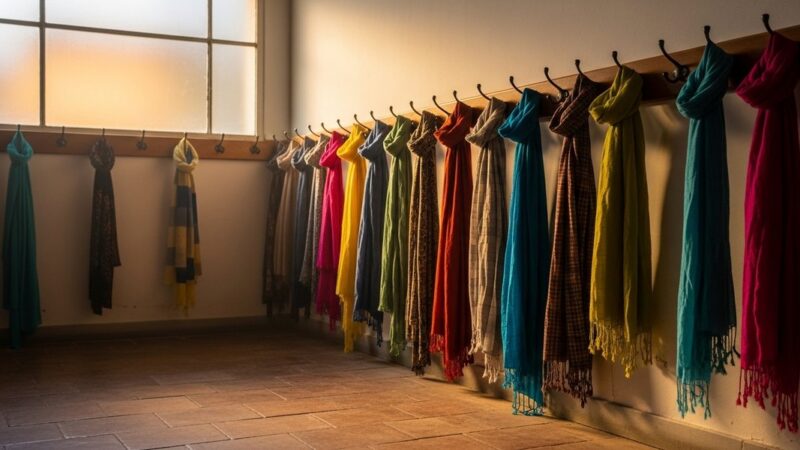
What were those concerns? Identity, above all. The short films of this period return obsessively to the experience of living between cultures: Xavi Sala’s Hiyab (Spain, 2008), about a girl and a headscarf and a school hallway that becomes a theater of civilizational tension. Maka Sidibé’s Aligato (France, 2007), about a marriage proposal across cultural lines. Zahra Mackaoui’s La Fune (Italy, 2007), about a child on a tightrope that is really about the balancing act of integration.
Beyond the National Frame
These filmmakers — many of them second-generation immigrants, many of them trained in European film schools, all of them fluent in multiple cultural registers — refused the categories that film festivals and cultural programs tried to impose on them. They were not “Arab filmmakers” or “European filmmakers” or “immigrant filmmakers.” They were Mediterranean filmmakers, and their work demanded a Mediterranean frame of reference.
The programs that supported this work — EuroMed Café’s “Another Look,” the Anna Lindh Foundation’s cultural initiatives, various EU-funded screening projects — deserve credit for creating the conditions in which these films could find audiences. But the films themselves transcended their institutional contexts. They spoke to anyone who had ever stood at a border — geographical, cultural, linguistic — and wondered what was on the other side.
Legacy
Many of the filmmakers who emerged through Mediterranean short film programs in the 2000s have since moved to features, television, and documentary work. The formal innovations of the short film period — the emphasis on compression, on visual metaphor, on cultural specificity rendered with universal legibility — continue to influence their longer work. The Mediterranean short film renaissance of the 2000s may be over as a historical moment, but its aesthetic and political legacy remains very much alive.